Living Guides
Comprehensive resources for anyone thinking about making Northern New Jersey home, anchored by hyperlocal "Living in [Town]" guides for every community we cover.
Last updated: September 14, 2026
Last updated: September 14, 2026
Start With the "Living in [Town]" Guides
The fastest way to understand a Northern NJ town is to read about a day in it. Each of our hyperlocal guides covers the same ground a good relocation consult would: what daily life is like in the community, the neighborhoods and how they differ, the real commute details (GW Bridge, PATH, NJ Transit, ferry, buses), the parks, dining, and events locals actually use, and the practical relocation realities of cost of living, housing, utilities, and parking.
Every figure in these guides carries a named source and an as-of date, and the guides follow our fair housing commitment: factual, neutral coverage of schools and neighborhoods, with no commentary that characterizes a community by the people who live in it.
Browse all the town living guides, or start with the corridor towns at the center of the market: Fort Lee, Leonia, Hoboken, and Jersey City.
Moving to Northern NJ
Relocating to Northern New Jersey is a big decision, and the right preparation makes all the difference. Whether you're coming from Manhattan, another part of New Jersey, or a completely different state, here's what you need to know.
Choosing the Right Town
This guide covers every community across Bergen and Hudson Counties. Bergen County towns like Fort Lee, Leonia, and Englewood feature tree-lined streets, larger lots, and a lower-density residential pace. Hudson County towns like Hoboken, Jersey City, and Weehawken are denser, more walkable, and offer direct transit to Manhattan.
Ask yourself: How important is the commute? Do you need local school districts? Are you looking for walkability or space? Do you prefer cultural variety or a more community-oriented feel? Your answers will narrow the field quickly.
The Moving Process
New Jersey has specific requirements for new residents. You'll need to register your vehicle at the NJ MVC, update your driver's license within 60 days, and register to vote. Property taxes vary significantly by town, so factor that into your housing budget early.
Working with a local real estate advisor who knows the nuances of each neighborhood can save you months of confusion and help you avoid common pitfalls like buying in a flood zone or misunderstanding school district boundaries. Talk to Scott's AI assistant to get instant answers about any Northern NJ neighborhood.
Timeline Tips
The Northern NJ market moves fast. If you're relocating from out of state, start researching 3-6 months before your target move date. Get pre-approved for a mortgage early, and plan at least one in-person visit to tour neighborhoods before committing.
Cost of Living Comparison
Housing prices tell only part of the story. Here's a breakdown of what your monthly budget looks like across different Northern NJ towns.
Housing Costs (Median Home Values)
Bergen County ranges widely. Fort Lee ($390K–$550K) and Cliffside Park ($425K–$525K) offer more accessible entry points, while Englewood Cliffs ($875K–$1.35M+) and Hoboken ($950K–$985K) command premium prices. The Bergen County median sale price for single-family homes reached approximately $875,000 as of June 2026, up roughly 3.5% year-over-year, with homes selling in an average of just 20 days countywide. Active inventory sits at roughly 1,720 listings — only 1.6 months of supply, firmly in seller's market territory. In Hudson County, the median home value sits around $639K, with Hoboken condos at a $715K median and Jersey City condos at $745K. Sellers are commanding an average of 102.8% of list price across the county.
Property Taxes
New Jersey has the highest property taxes in the nation, and Bergen and Hudson Counties are no exception. Annual property taxes can range from $8,000 to $25,000+ depending on the town and assessed value. This is a factor many relocators underestimate, so work it into your budget early.
Transportation Costs
If you're driving across the GW Bridge daily, budget $15-$17 per crossing (E-ZPass). NJ Transit monthly bus passes run approximately $100-$200 depending on the zone. PATH trains cost $3.25 per ride (as of May 2026). Ferry commuters on NY Waterway pay roughly $7-$13 per trip, with a temporary fuel surcharge in effect. Factor these into your total housing cost comparison.
Daily Expenses
Groceries, dining out, and utilities in Northern NJ run roughly 15-25% above national averages, consistent with the broader NYC metro area. Bergen County's Blue Laws restrict Sunday retail shopping, which can be an adjustment for newcomers — see our full guide below. See Scott's current listings for homes across Bergen and Hudson Counties.
Commute Guide
Getting to Manhattan from Northern New Jersey is one of the region's defining features. Here's every option, broken down by town and mode — with direct links to the agencies, tools, and resources you'll use every day.
George Washington Bridge — The Bergen County Lifeline
The George Washington Bridge is the defining infrastructure feature for Bergen County commuters. Connecting Fort Lee, NJ to Washington Heights in Upper Manhattan, it carries more traffic than any other bridge in the world — and for residents of northern Bergen County, it's the primary car and bus connection to Manhattan. Fort Lee, Leonia, Palisades Park, and Cliffside Park all offer quick access to the bridge approach. Understanding how the GW Bridge works — tolls, peak hours, bus options, and the lower-level trick — is essential knowledge before you move here.
Key Details
- Connects: Fort Lee, NJ to Washington Heights, Manhattan
- Upper level: passenger vehicles only
- Lower level: buses, trucks, and passenger vehicles — often faster for commuters who know the trick
- Tolls: $14.79 off-peak, $16.79 peak (E-ZPass only — fully cashless as of 2020, no cash or toll-by-mail option)
- Peak hours: weekday mornings (6–10 AM) westbound, weekday evenings (4–8 PM) eastbound
- Off-peak savings: $2 less per crossing — significant for daily commuters
- Driving times: 10–20 minutes off-peak, but can stretch to 60+ minutes during rush hour
NJ Transit Bus Routes via the GW Bridge
Multiple NJ Transit bus routes cross the GW Bridge to the Port Authority Bus Terminal in Midtown Manhattan. Key routes include the 166, 171, 175, 178, 181, 182, 186, and 188, among others. The bus commute from Fort Lee to Port Authority takes approximately 20–30 minutes off-peak, and 45–90+ minutes during rush hour. Many Bergen County commuters prefer the bus over driving — NJ Transit buses use dedicated bridge lanes and eliminate Manhattan parking costs entirely.
Key resources: NJ Transit Main Site · NJ Transit MyBus Tracker
For Bergen County Commuters
- Fort Lee is the primary NJ-side access point — local streets (Main Street, Palisades Avenue) feed directly to the bridge approach
- Leonia and Palisades Park residents typically route through Fort Lee to access the bridge
- Cliffside Park residents access via local roads to Fort Lee or via Route 4 / Route 9 to the Lincoln Tunnel alternative
Practical Tips for GW Bridge Commuters
- If you're moving to Bergen County and commuting to Manhattan, the GW Bridge is likely your primary connection — know the toll costs and factor them into your monthly budget
- Bus commuters save significantly vs. driving + parking in Manhattan
- Real-time traffic apps (Waze, Google Maps, 511NJ) are essential for planning departure times
- Off-peak travel saves $2 per crossing — if commuting 20 days/month, that's $40/month
Key resources: GW Bridge — Port Authority · Toll Calculator · PANYNJ Traffic Cameras · E-ZPass NY · E-ZPass NJ · 511NJ Real-Time Traffic
PATH Train — The Hudson County Commuter Backbone
A primary transit option for Hudson County commuters. Hoboken and Jersey City have direct PATH service to the World Trade Center (10 min) and Midtown (20 min). The train runs 24/7 and costs $3.25 per ride (as of May 2026).
Key Stations and Travel Times
PATH serves several key stops in Hudson County that connect directly to Manhattan:
- Hoboken Terminal — the major multi-modal transfer hub (PATH, NJ Transit rail, NJ Transit buses, NY Waterway ferry)
- Exchange Place — Jersey City's waterfront Financial District stop
- Newport — Jersey City, near the Newport Centre Mall and residential waterfront
- Grove Street — Jersey City, serving the Downtown/Journal Square corridor
World Trade Center bound: from Hoboken approximately 15 minutes, from Exchange Place approximately 5 minutes.
33rd Street (Midtown Manhattan) bound: from Hoboken approximately 20 minutes.
PATH also serves Journal Square and Newark, making it a viable transit option beyond the Hoboken–WTC/33rd Street corridors.
Fares and the SmartLink Card
The standard PATH fare is $3.25 per ride (as of May 2026). For regular commuters, the SmartLink card offers the most convenient option — you can load value for per-ride pricing or purchase unlimited ride passes. SmartLink works across all PATH stations and eliminates the need to buy single-ride tickets.
Service Hours
PATH runs 24/7, including late-night service on a modified schedule. This makes it one of the few transit options in the region that operates around the clock — a significant advantage for shift workers, late-night commuters, and anyone who needs to get into Manhattan outside standard business hours.
For Bergen County Residents
While PATH doesn't directly serve Bergen County, it plays an important role in many Bergen County commutes. A common two-step commute pattern looks like this: drive or take NJ Transit bus from Bergen County to Hoboken Terminal, then transfer to PATH for the ride into Manhattan. Hoboken Terminal is the major transfer hub connecting NJ Transit rail, NJ Transit buses, PATH trains, and NY Waterway ferry service — making it the natural bridge between Bergen County and the PATH network.
For Bergen County residents considering this commute pattern, factor in the time and cost of the first leg (bus or rail to Hoboken) on top of the PATH fare. The total trip from a Bergen County town to Midtown Manhattan via Hoboken typically takes 60–90 minutes door to door, depending on the origin and time of day.
PATH Connections at Hoboken Terminal
Hoboken Terminal is one of the most connected transit hubs in the region. From a single terminal, you can access:
- PATH trains — to World Trade Center, 33rd Street, Journal Square, and Newark
- NJ Transit rail — Midtown Direct, Main/Bergen, and Pascack Valley lines
- NJ Transit buses — routes serving Bergen County and Hudson County
- NY Waterway ferry — to West 39th Street in Midtown Manhattan
- Hudson-Bergen Light Rail — connecting to Jersey City, Bayonne, and North Bergen
This concentration of options makes Hoboken Terminal a practical starting point for commuters across Northern NJ, whether they're coming from Bergen, Passaic, or Morris County.
Key resources: PATH Official Site & Schedules · PATH SmartLink Card · Hoboken Terminal — NJ Transit · NY Waterway Ferry
NJ Transit Bus
NJ Transit bus service is widely used by Bergen County commuters. Routes from Fort Lee (156, 158, 159, 166, 167, 171, 175), Englewood (166, 167), and other towns connect to the Port Authority Bus Terminal. Monthly passes available. Private jitney services also operate from Fort Lee.
Key resources: NJ Transit Main Site · NJ Transit MyBus Tracker · NJ Transit Train Departure Vision · Bus Schedules & Fares
NY Waterway Ferry
Ferry service from Edgewater and Weehawken offers a commute option to Midtown Manhattan (West 39th Street). The crossing takes about 10 minutes, with shuttle bus connections to Bergen County towns. Note that ferry fares saw a roughly 5.5% increase in May 2026 due to a temporary fuel surcharge.
Key resources: NY Waterway Official Site · NY Waterway Route Map · Terminal Locations (Weehawken / Port Imperial / Edgewater)
Hudson-Bergen Light Rail
Connects North Bergen, Union City, and other Hudson County towns to Jersey City and Hoboken, with PATH and ferry transfers for Manhattan access. Useful for inter-county travel and accessing the waterfront without a car.
Key resources: Hudson-Bergen Light Rail — NJ Transit · Light Rail Schedules & Station List
NJ Transit Rail — The Pascack Valley Line
The Pascack Valley Line is one of NJ Transit's key rail corridors for Bergen County, providing daily service between Spring Valley, New York (in Rockland County) and Hoboken Terminal. For residents of Englewood, Tenafly, Hillsdale, Westwood, Park Ridge, Oradell, River Edge, New Milford, Hackensack, and Teterboro, it's a rail-based alternative to the bus routes that dominate Bergen County commuting. The line connects at Hoboken Terminal, where you can transfer to PATH trains, the Hudson-Bergen Light Rail, or NY Waterway ferries for access to Manhattan.
It's worth noting that the Pascack Valley Line is a separate service from the Main Line and the Bergen County Line — those serve different towns further west and north. If you're evaluating where to live based on rail access, it's important to know which line serves your specific station.
Stations in Bergen County
The Pascack Valley Line runs through the eastern side of Bergen County. The Bergen County stations on this line include:
- Englewood — the most heavily used Bergen County stop on the line
- Tenafly
- North Englewood (Demarest)
- Dumont — limited service
- Hillsdale
- Westwood
- Park Ridge
- Woodcliff Lake — limited service
- Oradell
- River Edge
- New Milford
- Hackensack
- Teterboro
- Essex Street (Ridgewood area)
Service Frequency
Weekday service runs roughly hourly during peak commuting hours, with less frequent service during off-peak times. Weekend service typically runs every 1–2 hours. Frequency is lower than the bus routes that serve the GW Bridge corridor, but the train offers a sit-down commute without traffic. If your home or workplace is within walking distance of a station, the Pascack Valley Line can be a straightforward daily option.
Commute Times and Connections
The ride from Englewood to Hoboken Terminal takes approximately 35–45 minutes. From Hoboken, you can transfer to PATH trains with service to the World Trade Center, 33rd Street, Journal Square, and Newark. NY Waterway ferry service from Hoboken to Manhattan's West 39th Street is also available. Many Bergen County commuters combine the Pascack Valley Line with PATH or ferry connections, with a total door-to-door commute to Midtown Manhattan typically ranging from 60–90 minutes depending on the exact route and time of day.
Fares and Passes
NJ Transit offers monthly rail passes that provide significant savings over single-ride or daily fares. The zone-based fare structure means the cost depends on your origin and destination — a monthly pass from Englewood to the Hoboken zone, for example, is priced differently than a pass from a station further up the line. Check NJ Transit's fare page for current pricing on one-way, round-trip, and monthly pass options.
Key Resources
Planning & schedules: Pascack Valley Line Schedule — NJ Transit · NJ Transit System Map · Hoboken Terminal Information
Fares & passes: NJ Transit Fares & Passes · NJ Transit Mobile App (MyT)
Connections from Hoboken: PATH Train Schedule · NY Waterway Ferry
Traffic & conditions: 511NJ — Traffic & Transit Info
Commuter Tools & Apps
These apps and tools help you plan, track, and optimize your daily commute across all modes of transit in Northern NJ.
NJ Transit App (schedules, real-time tracking, mobile tickets) · Transit App (multi-modal trip planner) · Google Maps Transit Directions (use Transit mode) · 511NJ — Traffic Conditions (real-time road conditions)
2026 FIFA World Cup — Post-Event Summary
June 13 – July 19, 2026 · MetLife Stadium, East Rutherford
The 2026 FIFA World Cup at MetLife Stadium has concluded. All eight matches were completed, including the Championship Final on July 19 which capped a historic month for Northern New Jersey. Norway's stunning 2-1 upset of Brazil in the Round of 16 on July 5, with Erling Haaland scoring twice, was the highlight of MetLife's knockout stage. The tournament brought global attention to our communities, with visitors from around the world experiencing towns like Fort Lee, East Rutherford, and Jersey City. Normal traffic patterns have resumed across the Meadowlands corridor.
All Matches Complete
Eight matches, including the Championship Final on July 19
Global Spotlight
The tournament put Northern NJ on a global stage, driving sustained buyer interest
Normal Traffic Resumed
All match-day transit advisories have been lifted. GW Bridge and Meadowlands routes are back to normal.
MetLife Match Results
Useful Transit Links
Post-event note: The World Cup brought unprecedented global attention to Northern NJ. Early reports indicate sustained buyer interest from out-of-state and international audiences who were introduced to our communities through the tournament. If you're thinking about buying or selling, the post-World Cup buzz carries into August. Book Your Free Discovery Call to discuss how this affects your plans.
Bergen County Blue Laws — What Newcomers Need to Know
Bergen County is one of the last places in America with Blue Laws, which restrict most retail shopping on Sundays. If you're moving here from almost anywhere else in the country, this will be one of the first things that surprises you. The laws are enforced specifically in Bergen County — not statewide — by the Bergen County Board of Chosen Freeholders, and they've been on the books for decades.
What the Blue Laws Mean in Practice
Under the current Blue Laws, most retail stores in Bergen County must close on Sundays. The typical restricted window is Sunday morning through late afternoon — roughly 9 AM to 5 PM or similar hours, depending on the municipality and type of business. It takes some getting used to, but many residents come to appreciate the forced pause.
What's closed: Shopping malls, clothing stores, electronics retailers, home goods stores, furniture outlets, and most other retail businesses.
What's open: Restaurants, grocery stores, gas stations, pharmacies, hotels, entertainment venues (movie theaters, bowling alleys, etc.), and other essential services are exempt. You can still eat out, fill your tank, grab groceries, and see a movie on a Sunday — you just can't do your regular retail shopping.
For the full legal details, the New Jersey Division of Consumer Affairs maintains reference information on Blue Laws statewide. You can also review the Wikipedia overview of Blue Laws in New Jersey for historical context.
Paramus — The Blue Law Capital
If you've ever heard of Bergen County Blue Laws, chances are it was in the context of Paramus. The borough is the most well-known Blue Law town in the county, largely because it's home to two of the biggest shopping destinations in the region: Garden State Plaza and Riverside Square Mall. Both are famously closed on Sundays, which still catches first-time visitors off guard.
People from across the region travel to Paramus Monday through Saturday for its incredible retail concentration. The official Paramus website has specific information on Blue Laws enforcement and hours.
Where Bergen County Residents Shop on Sundays
When the urge for Sunday shopping strikes, Bergen County residents have a few reliable options. Many head across county lines into Hudson County (Jersey City, Secaucus), Passaic County (Clifton, Paramus-adjacent areas just outside the Blue Law zone), or across the state line into Rockland County, New York — where retail stores operate normally on Sundays. It's a well-known local workaround, and plenty of people plan their weekends around it.
A Source of Local Pride and Debate
The Blue Laws are a uniquely Bergen County cultural touchpoint. Residents have strong feelings about them in both directions — some see them as an important tradition that preserves time for rest and gives workers a guaranteed day off, while others view them as outdated and inconvenient. There have been periodic efforts to repeal the laws over the years, but they remain firmly in place. Either way, it's something every Bergen County resident has an opinion on, and it's genuinely useful to understand before you move here.
Planning a Sunday Shopping Trip?
Your options in Bergen County on Sundays are limited to restaurants, grocery stores, pharmacies, and gas stations. For retail, plan your trips Monday through Saturday, or head to a nearby county that doesn't enforce Blue Laws. Hudson County, Passaic County, and Rockland County (NY) are all easy drives.
School District Boundaries — Why They Matter When Buying in NJ
In New Jersey, school district boundaries don't always align with town boundaries. Some towns share regional school districts, and attending a specific school may depend on which part of town you live in. For anyone buying a home in Bergen County, understanding how district boundaries work is essential due diligence — not optional background research.
How NJ School Districts Work
Unlike many states where school attendance is determined solely by your town of residence, New Jersey operates with independent school districts that don't always follow municipal lines. This is a critical distinction for homebuyers. A home's school assignment is determined by its specific address within a district — not just the town name on the listing.
Some Bergen County towns have regional school districts shared with neighboring communities. For example, the Tenafly Public School District primarily serves Tenafly, but boundary nuances can affect which schools students attend depending on their exact location. These arrangements are the product of decades of local governance and aren't always intuitive.
What Bergen County Homebuyers Should Know
Several important realities apply across the Bergen County market:
- Fort Lee has its own school district, but specific school assignments vary by address within Fort Lee. Two homes on the same street can feed into different elementary schools.
- Englewood and Englewood Cliffs maintain separate school districts, though there have been historical sharing arrangements between the two communities that have evolved over time.
- Parts of some towns may feed into different high schools depending on which side of a boundary line the property falls on. This is especially common in areas where municipal borders are irregular.
- Regional districts — some towns participate in regional K–8 or regional high school districts that draw students from multiple municipalities, meaning your child's school may not be in the same town you live in.
How to Verify School Assignments Before You Buy
This is where many buyers make costly assumptions. A real estate listing may mention a school district, but school district assignments are not guaranteed by a real estate listing. The only reliable way to confirm which school serves a specific address is to verify independently before purchasing. Here's the process:
- Contact the school district directly. Each district's Board of Education maintains current attendance zone maps and can confirm assignments for any address. This should be your first call — not a third-party website.
- Check the NJ Department of Education. The state provides official district boundary information and can help you identify which district an address falls within.
- Review the district's Board of Education website. Each district's BOE site will have the most current attendance zone maps, enrollment procedures, and contact information.
- Ask your real estate advisor. A local advisor who works these towns regularly will know which districts serve which areas — but always confirm directly with the district for a final answer.
Official Resources — Verify Before You Purchase
Use these resources to confirm school district boundaries and attendance zones for any property you're considering:
- NJ Department of Education — Official state portal for district boundary information, school performance data, and enrollment guidance.
- Bergen County Board of Education — County-level school directory and administrative information for Bergen County districts.
- GreatSchools.org — New Jersey — Search school districts and individual schools by name or zip code.
- NJ School Performance Reports — Official state data on school and district performance, enrollment, and demographics.
Local District Websites
For attendance zone verification, each district's Board of Education is the definitive source. Here are the official district websites for Bergen County communities covered in this guide:
- Fort Lee School District — fortlee.org/boe
- Englewood Public School District — epsd.org
- Teaneck Public Schools — teaneckschools.org
- Tenafly Public Schools — tenaflyschools.org
- Leonia Public Schools — leoniaschools.org
- Cliffside Park School District — cliffsidepark.edu
- Palisades Park School District — palpkschools.org
Important Disclaimer
School district boundaries and attendance zones can change. Always verify current school assignments directly with the district's Board of Education before making a purchase decision. This information is provided for general guidance only and should not be relied upon as the sole source for school assignment decisions.
Understanding school district boundaries is a practical step in any home purchase — it protects your investment and ensures your household's needs are met from day one.
Parking Reality Check — What to Expect in Northern NJ
Parking is one of the biggest lifestyle adjustments when moving to Northern NJ — especially if you're coming from the suburbs or from out of state. What works in your current neighborhood may not work here. The rules, availability, and costs vary significantly between Hudson County and Bergen County, so here's what you need to know before you move.
Hudson County — Urban Parking
Street parking in Hoboken and parts of Jersey City is limited and competitive. If you're moving to these areas, you'll want to factor in garage costs or prioritize buildings with dedicated parking. Hoboken residential parking permits are required for street parking. Jersey City has similar permit zones in most neighborhoods — you'll need to register your vehicle and apply through the city.
For NYC-bound commuters in Hoboken and Jersey City, parking costs deserve a line item in your transit budget. Monthly garage rates in Hoboken can run $200–$400+, and rates in downtown Jersey City are similar. If your building doesn't include parking, this is a recurring monthly expense on top of rent or mortgage.
Key resources: Hoboken Parking Info · Jersey City Parking Info · SpotHero — Garage Comparisons · ParkMobile — Metered Parking App
Bergen County — Suburban Parking
In Bergen County, street parking is generally more available than in Hudson County, though downtown areas can be tight on weekends. Towns like Fort Lee, Leonia, Englewood, and Teaneck have free street parking in most residential areas. Downtown Ridgewood and Englewood can fill up on weekends and evenings when shops and restaurants draw visitors.
For commuters who drive to the train station, NJ Transit parking lots at stations along the Pascack Valley Line and other Bergen County lines are an option — availability varies by station and time of day.
Key resources: Fort Lee Parking Info · Ridgewood Downtown Parking · Englewood Parking Info · NJ Transit Station Parking
Practical Tips for Newcomers
- Municipal lots in downtown areas: Some Bergen County downtowns — including Ridgewood, Englewood, and Paramus — have municipal lots near their commercial centers. Look for signage indicating public parking, especially during peak shopping hours.
- Winter parking rules: Many Bergen County towns enforce alternate-side snow emergency rules during winter storms. Know your town's specific rules before the first snowfall — violations can result in towing, and the rules vary from town to town.
- For Hudson County buyers: Always check whether a building includes parking before signing a lease or closing. Parking that isn't included can add $200–$500+/month to your housing costs, depending on the building and location.
- For Bergen County buyers: Most single-family homes have driveways, which makes parking straightforward. Condos and townhomes vary — some include assigned spaces and others don't. Check the listing details and HOA rules carefully.
Parking Apps Worth Downloading
ParkMobile lets you pay for metered street parking from your phone — useful across Northern NJ. SpotHero helps you compare and reserve garage spots in advance, especially handy when visiting busier downtown areas or commuting into NYC. Both apps work well throughout Bergen and Hudson Counties.
Insider Tips
These are the things that experienced residents know and newcomers often learn the hard way.
Bergen County Blue Laws
Bergen County is one of the last places in America with Blue Laws, which restrict most retail shopping on Sundays. Grocery stores, restaurants, and gas stations are open, but most retail stores are closed. It takes some getting used to, but many residents come to appreciate the forced pause. For the full breakdown, see our complete guide to Bergen County Blue Laws above.
School District Boundaries Matter
In New Jersey, school district boundaries don't always align with town boundaries. Some towns share regional school districts, and attending a specific school may depend on which part of town you live in. This is one of the most important things to verify before purchasing a home — see our complete guide to school district boundaries above, including links to every local district's Board of Education.
The Hidden Gems
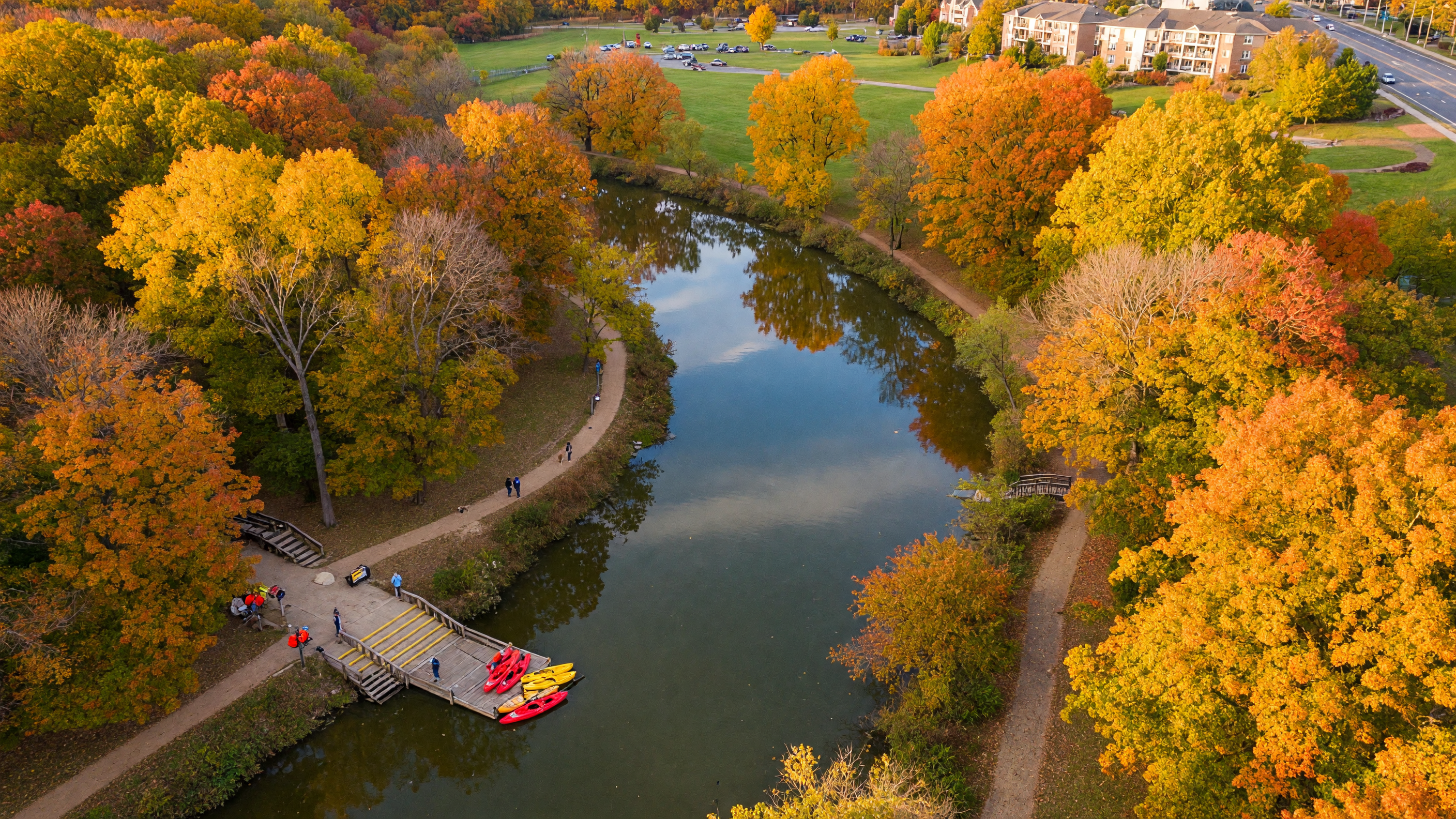
Bergen County is full of local spots that make it feel like home — from paddle sports on Overpeck Creek to Revolutionary War history overlooking the GW Bridge. See our full Hidden Gems guide below for the details.
Weather Preparedness
Northern NJ gets real winters. Budget for snow removal, invest in a good coat, and keep an eye on school closings during nor'easters. The flip side: fall foliage along the Palisades draws visitors from across the region, and summer evenings on the waterfront are a highlight for many residents.
Parking Reality Check
Parking is one of the biggest lifestyle adjustments when moving to Northern NJ. Street parking in Hudson County is limited and competitive, while Bergen County residential areas generally have more availability. Downtown spots in either county can fill up quickly. For the full breakdown — including permit info, garage costs, commuter parking, and winter rules — see our complete Parking Reality Check guide below.
Your Complete Northern NJ Resource Library
Every resource you need to research, plan, and execute a move to Northern New Jersey — curated from trusted sources.
Pros & Cons of Moving to New Jersey
Get the full picture before you commit. These articles break down what's great — and what to prepare for — when moving to the Garden State.
- Is Moving to New Jersey Worth It in 2026? A Complete Guide — MyMovingJourney
Comprehensive overview covering cost of living, school options, job market, and daily life considerations for prospective NJ residents.
- The Pros and Cons of Living in New Jersey — HomeIA
Detailed breakdown of lifestyle factors, school options, proximity to NYC, and the state's higher-than-average costs.
- 18 Honest Pros & Cons of Living in New Jersey — The Honest Local
A candid, real-resident perspective on everything from property taxes and Blue Laws to the state's cultural diversity and school options.
Choosing the Right Town
Northern NJ is a patchwork of distinct communities. Explore our town guides and use these tools to find your fit.
- Northern NJ Town Guides — Bergen & Hudson Counties — CommunityGuide (this site)
In-depth guides for 29 towns covering Fort Lee, Hoboken, Jersey City, Englewood, Teaneck, and more — with dining, schools, commute data, and local insights.
- Where Should I Live? — Bankrate
An interactive tool that helps you weigh budget, career, climate, and lifestyle priorities to find the right location.
The Moving Process — Tips & Checklists
Step-by-step guidance to keep your move organized, on time, and stress-free.
- A Moving Checklist for 2026 — NerdWallet
A detailed, timeline-based checklist covering everything from 8 weeks before your move to the first week in your new home.
- Moving Checklist: 13 Tips for a Smooth Move — Bank of America
A practical 13-step approach covering budgeting, utility transfers, hiring movers, and settling into your new home.
- Top 10 Moving Tips — YouTube
A popular video covering packing strategies, labeling systems, and essential moving-day advice.
- How to Plan Your Move to a New State in 5 Simple Steps — YouTube
A concise video guide for planning an interstate move, from research timelines to setting up utilities in your new state.
Schools & Education
School data sourced from GreatSchools.org, Niche.com, and state departments of education. These resources help you review school district options in both states.
- 2026 Best School Districts in New Jersey — Niche
Niche's annual rankings of NJ school districts based on academics, teachers, diversity, and college readiness.
- New Jersey's Best School Districts According to New Rankings — NJ Family
NJ Family's analysis of the top-ranked districts, with several Bergen County systems making the list.
- New Jersey Schools — GreatSchools.org
Search any NJ school by name or zip code for ratings, reviews, and test score data.
- Florida Department of Education — Official Website
Official source for Florida school districts, school grades, and accountability data — useful if you are also weighing the move south.
Housing Costs — Median Home Values & Market Data
Median home values are updated regularly via these sources. Visit the links below for the latest market data.
- NJ Association of Realtors — Market Data
Official market statistics and housing reports from the state's Realtor association.
- Bergen County, NJ Housing Market Tracker — Redfin
Real-time Bergen County market data: median sale price, days on market, price trends, and competition level.
Healthcare
Healthcare systems and access differ between states. These resources provide comparative data on outcomes, costs, and provider availability.
- 2025 Scorecard on State Health System Performance — Commonwealth Fund
Comprehensive ranking of all 50 states on health outcomes, access, and equity. New Jersey ranked 16th.
- Best States for Health Care in 2026: Outcomes, Costs and Access — MoneyGeek
MoneyGeek's ranking of states by healthcare outcomes, costs, and access — with data on mortality rates and provider availability.
Employment & Economy
Both states have distinct economic profiles. These resources provide employment data, job growth trends, and wage statistics for comparison.
- U.S. Bureau of Labor Statistics — New Jersey
Official BLS data for New Jersey: unemployment rates, job growth by industry, and wage statistics.
- U.S. Bureau of Labor Statistics — Florida
Official BLS data for Florida, useful when comparing the two states' job markets side by side.
Climate & Lifestyle
Seasonal differences shape daily life in each state. These resources give you the climate data and lifestyle context for an honest comparison.
- New Jersey Climate Data — US Climate Data
Average temperatures, precipitation, and seasonal patterns by month for New Jersey's climate regions.
- Florida Climate Data — US Climate Data
Average temperatures and seasonal patterns across Florida, from the Panhandle to South Florida.
Still Deciding Where to Land?
Scott has guided hundreds of families into Northern New Jersey and back south to Florida. A 20-minute call can save you months of guesswork.